

Can You Stop GLP-1 Medications Without Gaining Weight Back?
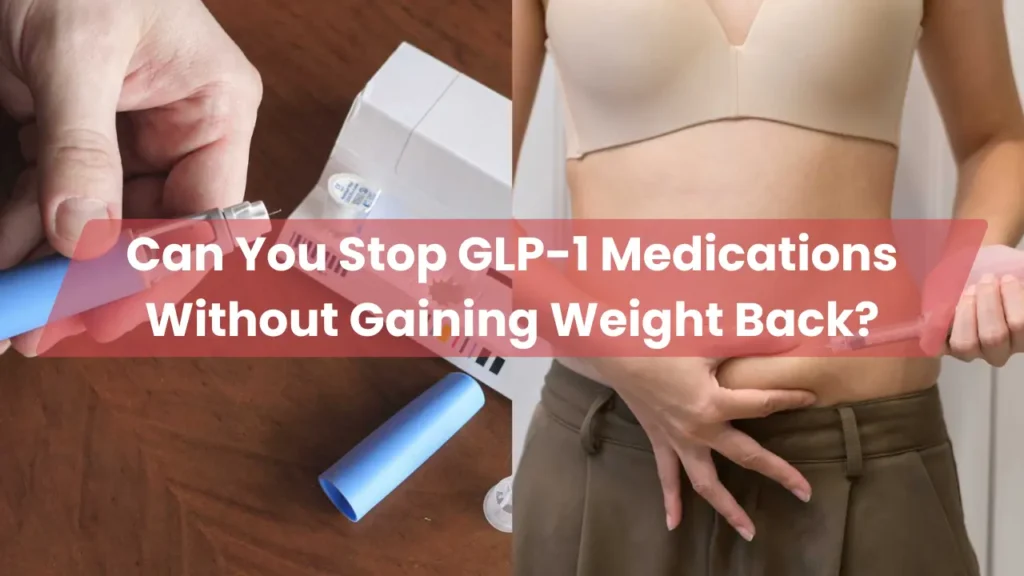
GLP-1 medications like semaglutide and tirzepatide have changed the way many people lose weight. These treatments can help reduce appetite, control cravings, and make it easier to stay in a calorie deficit. But one question comes up again and again:
stop GLP-1 medications without gaining the weight back
The short answer is yes, some people can maintain their weight loss after stopping GLP-1 medications. But it usually depends on what habits were built while taking the medication.
Many people think the medication alone causes the weight loss. In reality, the people who keep the weight off long-term are often the ones who changed their eating habits, activity level, and daily routine during treatment.
In this blog, we will explain why some people regain weight after stopping GLP-1 medications and what you can do to improve your chances of maintaining your results.
Why People Gain Weight Back After Stopping GLP-1 Medications
GLP-1 medications work by helping you feel fuller for longer and reducing “food noise,” which means constant thoughts about food, cravings, or emotional eating.
When the medication is stopped, appetite usually starts to return. Hunger can feel stronger again, and old eating habits may slowly come back.
This does not mean the medication failed. It simply means the body is no longer receiving the same appetite support.
Weight regain usually happens for a few common reasons:
- Returning to old eating habits
- Not getting enough protein
- Losing muscle during weight loss
- Stopping exercise routines
- Depending only on appetite suppression
- Stopping medication too quickly
Some people regain most of the weight, while others maintain their results successfully. The difference often comes down to lifestyle habits.
What Successful People Usually Do Differently
People who maintain weight loss after semaglutide or tirzepatide often focus on building healthy habits while they are still on the medication.
Instead of using GLP-1 treatment as a quick fix, they use it as a tool to create a healthier lifestyle.
Here are some habits that can help:
Prioritize Protein
Protein helps protect muscle while losing fat. It also keeps you full longer.
Many successful patients focus on:
- Lean meats
- Eggs
- Greek yogurt
- Protein shakes
- Fish
- Cottage cheese
Losing muscle can slow metabolism, which may make weight maintenance harder later.
Strength Training Matters More Than Most People Think
One of the biggest mistakes during rapid weight loss is avoiding strength training.
Resistance exercises like:
- Weight lifting
- Resistance bands
- Bodyweight workouts
can help preserve muscle and support long-term metabolism.
Even walking daily can make a major difference when combined with strength training.
Build Habits Before Stopping the Medication
A common mistake is waiting until after stopping GLP-1 medications to start healthy habits.
The best time to build routines is during treatment, when cravings are lower and appetite feels more manageable.
This is often the ideal time to:
- Learn portion control
- Prepare healthier meals
- Improve sleep habits
- Increase daily movement
- Reduce emotional eating
These habits create a stronger foundation for long-term success.
Should You Stop Suddenly or Slowly Taper Off?
Some people stop GLP-1 medications suddenly, while others gradually reduce their dose over time.
In many cases, tapering slowly may help the body adjust better and reduce the shock of increased hunger.
A healthcare provider can help determine the safest and most effective approach based on your goals, health history, and progress.
Is Long-Term Use Sometimes Necessary?
For some individuals, long-term treatment may make sense.
People with:
- Obesity
- Insulin resistance
- PCOS
- Metabolic conditions
- Long-term weight struggles
may benefit from ongoing support.
Others who only needed help losing a smaller amount of weight may be able to stop successfully and maintain results with healthy habits.
There is no one-size-fits-all answer.
What Is “Food Noise”?
Many people taking GLP-1 medications talk about “food noise.”
Food noise refers to:
- Constant thoughts about food
- Cravings throughout the day
- Emotional eating urges
- Thinking about the next meal all the time
- Difficulty controlling portions
One reason GLP-1 medications feel life-changing for some patients is because they quiet this constant mental pressure around food.
When treatment stops, food noise can return. That is why lifestyle habits and mindful eating strategies become so important.
Can You Maintain Weight Loss After GLP-1 Medications?
Yes, it is possible.
Many people successfully maintain their weight loss after stopping GLP-1 medications, especially when they:
- Stay active
- Eat enough protein
- Continue healthy routines
- Monitor weight regularly
- Address emotional eating
- Focus on long-term consistency
However, maintenance usually requires ongoing effort. The medication may help start the journey, but long-term success often depends on sustainable lifestyle changes.
Final Thoughts
GLP-1 medications can be powerful tools for weight loss, but they work best when combined with healthy habits that last beyond treatment.
Some people may need long-term support, while others can stop the medication and maintain their results successfully. The key is understanding that weight maintenance is not only about the medication itself. It is also about the habits built during the process.
At Memphis Aesthetics, we believe weight loss should support long-term health, confidence, and sustainable results. A personalized plan that includes nutrition, movement, and ongoing support can make a major difference in maintaining progress after GLP-1 treatment.